Primeiro webinar do You-Decide sublinha importância de cocriar com crianças e jovens
“Inclusão não é só sobre acesso. É sobre pertencer”, destacou um dos oradores do primeiro webinar do projeto coordenado pela OEI, cofinanciado pela União Europeia (UE).
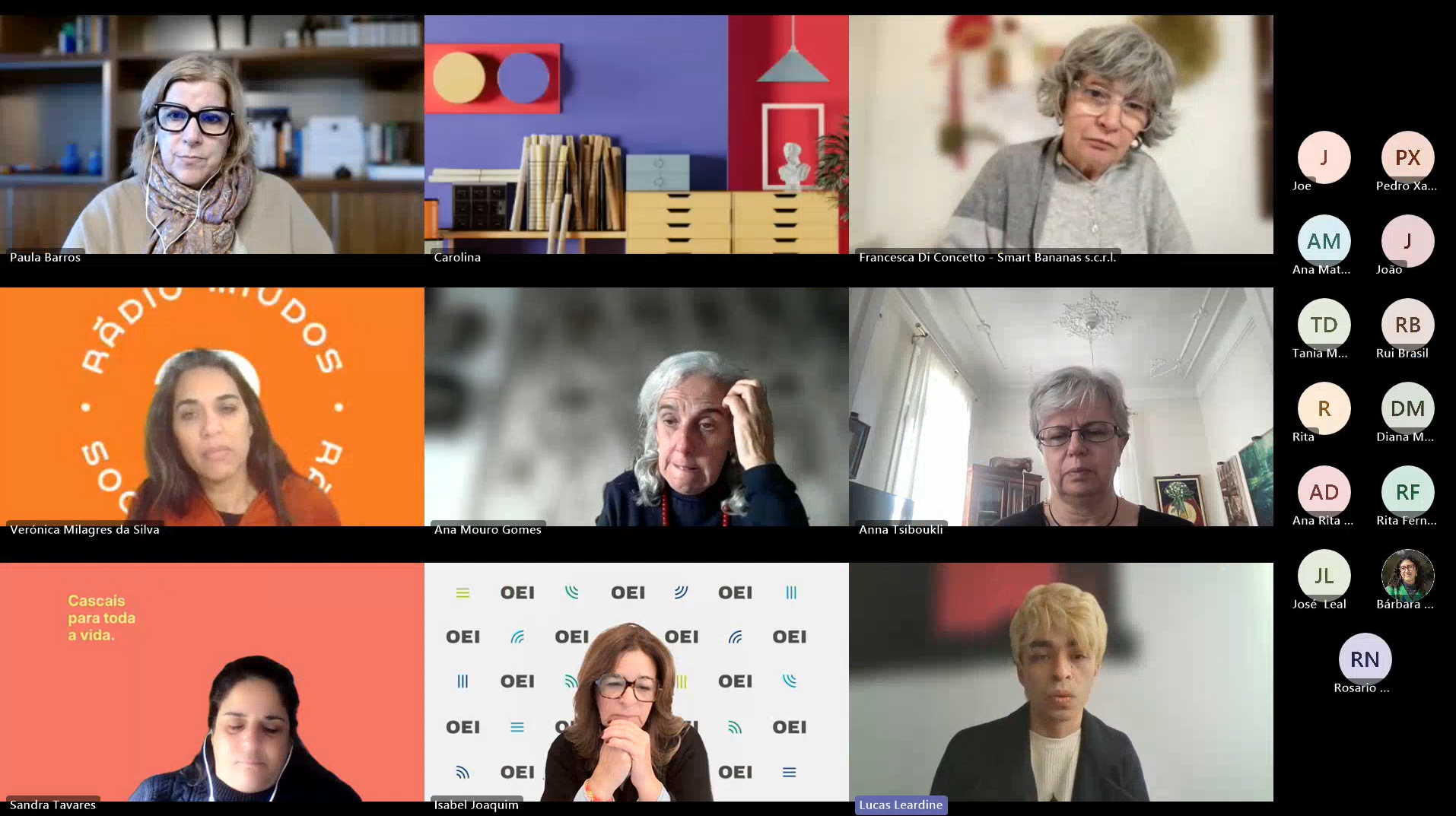
O You-Decide teve o seu primeiro webinar público esta quarta-feira, 17 de dezembro, para apresentação do projeto e discussão das propostas que apresenta para se consolidar como um projeto disruptivo que vai tentar impulsionar a participação política das crianças e jovens.
A sessão contou com testemunhos em vídeo de crianças de uma escola do Sátão, em Viseu (Portugal), que são orientadas por Lucas Leardine, mentor da Teach for Portugal. Os jovens afirmaram querer um projeto inclusivo, com atividades que os façam aprender e simulem a realidade, ou que os façam entender o impacto que as suas ideias têm nas suas vidas e instituições locais.
Joe Cullen, da AGID, e Alex Ursulescu, da CPIP, apresentaram a Lifeworld Analysis, que registou que crianças e jovens sentem-se frustrados pela influência limitada que têm, pela baixa confiança nas instituições e por terem uma participação essencialmente simbólica e pouco significativa.
Durante o webinar, foram apresentadas duas iniciativas: a Quinzena dos Direitos das Crianças e Jovens 2025 e o Manifesto dos Direitos das Crianças e dos Jovens, coordenado pela Câmara Municipal de Cascais, e a Rádio Miúdos, um projeto também cofinanciado pela UE no quadro do CERV. Ambos potenciam o envolvimento das crianças e jovens na sociedade civil, contribuindo para o fortalecimento das democracias e do espírito de cidadania dos mais novos.
Como vamos montar esta missão?
Anna Tsiboukli, docente da Universidade de Atenas, apresentou o desenho do programa e da formação, que abrange diferentes competências para os dois segmentos-alvo: jovens e profissionais. Para os mais novos, o objetivo é combinar perceção cognitiva, regulação emocional, capacidades comunicativas e empoderamento social, articulados em três níveis – conhecimento e entendimento, colaboração inteligente e skills participativas. Já para os adultos profissionais de diversas áreas, prevê-se que os módulos formativos combinem as áreas de interação, cocriação, empatia, colaboração, resolução de conflito e interação digital.
Como mencionado por Francesca Di Concetto, da Smart Bananas, responsável pelos módulos de formação para adultos, é necessário adaptar a formação ao tempo que os adultos têm para disponibilizar para este projeto. O maior desafio é tornar as aprendizagens eficazes numa margem de tempo reduzida.
O projeto destaca-se pela sua base de cocriação com o público-alvo beneficiário da iniciativa, ou seja, criando em colaboração com as crianças e jovens soluções para incluí-las nos centros de decisão política, a partir do poder local, e fazê-las parte dos mecanismos de decisão. O objetivo é, por isso, não só escutar e trazer os mais novos para o debate de ideias para o presente e futuro, mas torná-los decisores capazes de definir o rumo das suas comunidades.
É necessário aceitar os cookies para ver este conteúdo
(ENG below)
First You-Decide webinar highlights the importance of co-creating with children and young people
‘Inclusion is not just about access. It’s about belonging,’ said one of the speakers at the first webinar of the project coordinated by the OEI and co-funded by the European Union (EU).
You-Decide held its first public webinar on Wednesday, 17 December, to present the project and discuss the proposals it puts forward to consolidate itself as a disruptive project that will seek to boost the political participation of children and young people.
The session featured video testimonials from children at a school in Sátão, Viseu (Portugal), who are mentored by Lucas Leardine, a mentor at Teach for Portugal. The young people said they wanted an inclusive project, with activities that make them learn and simulate reality, or that make them understand the impact their ideas have on their lives and local institutions.
Joe Cullen, from AGID, and Alex Ursulescu, from CPIP, presented Lifeworld Analysis, which noted that children and young people feel frustrated by their limited influence, low trust in institutions, and essentially symbolic and insignificant participation.
During the webinar, two initiatives were presented: the 2025 Children and Young People’s Rights Fortnight and the Children and Young People’s Rights Manifesto, coordinated by Cascais Municipal Council, and Rádio Miúdos, a project also co-financed by the EU under the CERV. Both promote the involvement of children and young people in civil society, contributing to the strengthening of democracies and the spirit of citizenship among the younger generation.
How are we going to set up this mission?
Anna Tsiboukli, a lecturer at the University of Athens, presented the programme and training design, which covers different skills for the two target groups: young people and professionals. For the younger ones, the aim is to combine cognitive perception, emotional regulation, communication skills and social empowerment, articulated on three levels – knowledge and understanding, intelligent collaboration and participatory skills. For adult professionals from various fields, the training modules are expected to combine the areas of interaction, co-creation, empathy, collaboration, conflict resolution and digital interaction.
As mentioned by Francesca Di Concetto, from Smart Bananas, who is responsible for the adult training modules, it is necessary to adapt the training to the time that adults have available for this project. The biggest challenge is to make learning effective in a short period of time.
The project stands out for its co-creation basis with the target audience benefiting from the initiative, i.e., creating solutions in collaboration with children and young people to include them in political decision-making centres, starting with local authorities, and making them part of the decision-making mechanisms. The aim is therefore not only to listen to and bring young people into the debate on ideas for the present and the future, but also to make them decision-makers capable of setting the course for their communities.